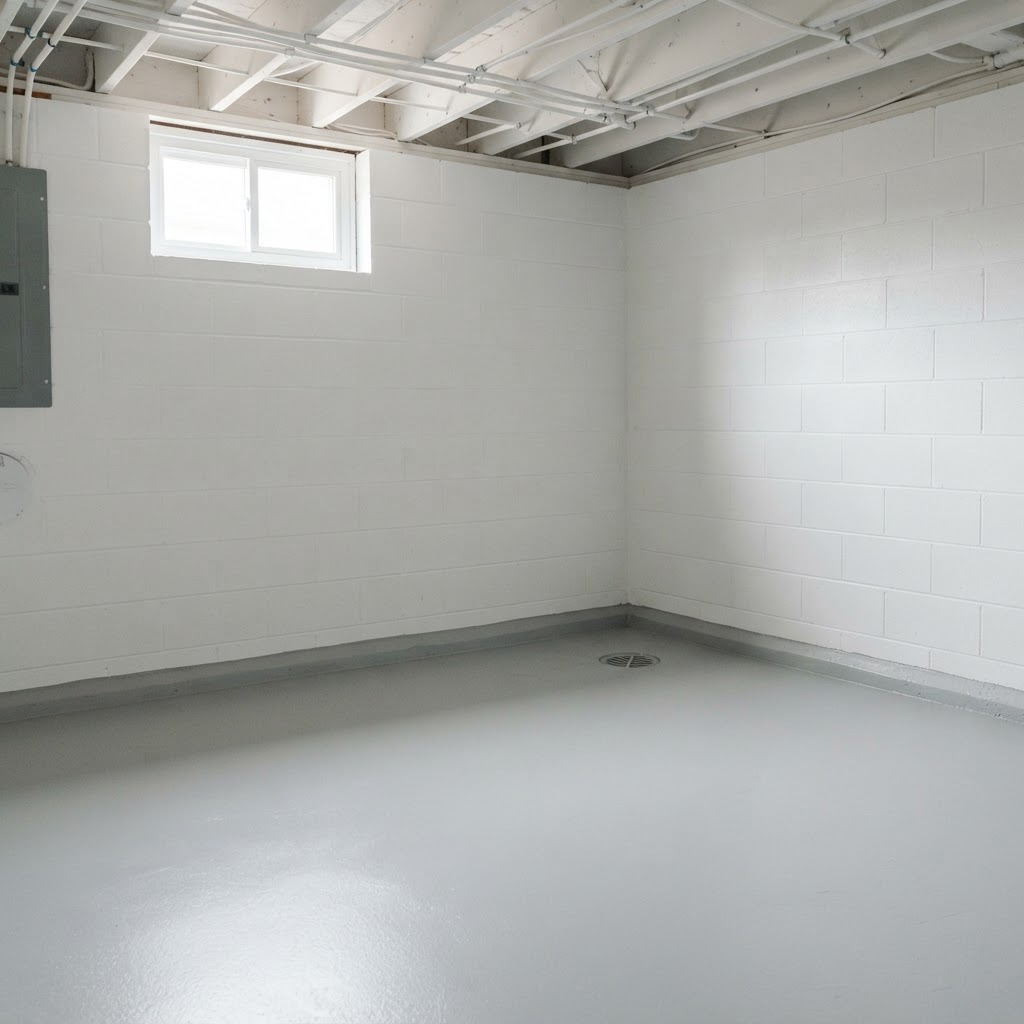
If you need basement waterproofing in Muncie, IN, the soil around your foundation is most of the story. Delaware County sits on glacial till: dense, clay-rich ground left behind by the last ice sheets. Clay drains slowly, holds water against basement walls for days after a storm, swells when wet and shrinks when dry. Add Indiana freeze-thaw winters, heavy spring rain, a high water table near the White River, and thousands of homes built before 1960, and it is no surprise that wet basements are one of the most common home problems in town.
Muncie Basement Waterproofing is a referral service. Tell us what you are seeing, and we pass your request to an independent waterproofing contractor who works in Muncie and across Delaware County. Call (317) 798-0634 or use the form.
Why Muncie Basements Leak
Dense glacial clay
Most of Delaware County's soil is clay-heavy till. Rain that would soak away in sandy ground instead sits around the foundation, building hydrostatic pressure that pushes water through floor-wall joints, block cores and cracks. When clay dries in late summer it shrinks away from the wall; when it re-wets it swells and pushes back. Over years, that cycle opens cracks.
Freeze-thaw winters
Muncie sees many freeze-thaw swings each winter. Water trapped in saturated soil freezes, expands and presses on the upper part of the wall. Water in small cracks freezes and widens them. A crack that was dry in October can leak by March.
Spring rain and the White River
The West Fork of the White River runs right through Muncie, and low-lying neighborhoods near the river and its creeks can carry a higher groundwater level, especially in wet springs. Snowmelt plus several days of rain is when most local basements first take on water.
Older homes near Ball State and downtown
Neighborhoods around Ball State University, the Old West End, and the older streets near downtown are full of homes built in the early and mid-1900s. Many have block, clay-tile or early poured foundations, original clay drain tile that has since collapsed or clogged, shallow window wells and downspouts that empty right at the wall. A lot of these are now rentals, which means problems can go unnoticed for years.
What a Local Waterproofing Pro Can Do
- Interior drain tile and sump systems to catch seepage at the base of the walls and pump it out. Learn more
- Exterior excavation and membranes where the outside of the wall is reachable and the problem is severe.
- Leak tracing and repair for a single wet corner, window well or pipe penetration. Wet basement repair
- Crack injection with polyurethane or epoxy, plus a referral for structural repair if a wall is moving. Foundation crack repair
- New sump pits, replacement pumps and battery backups. Sump pumps
- Crawl space vapor barriers, drainage and dehumidifiers. Crawl spaces
How It Works
- Send the form or call. Tell us where water shows up and when (every rain, only in spring, only after big storms).
- We pass it along. Your request goes to an independent local contractor, usually the same business day.
- On-site inspection. The contractor checks walls, floor, grading, gutters and any existing sump, and explains what they think is happening.
- Written estimate. You decide whether to go ahead. There is no obligation to us.
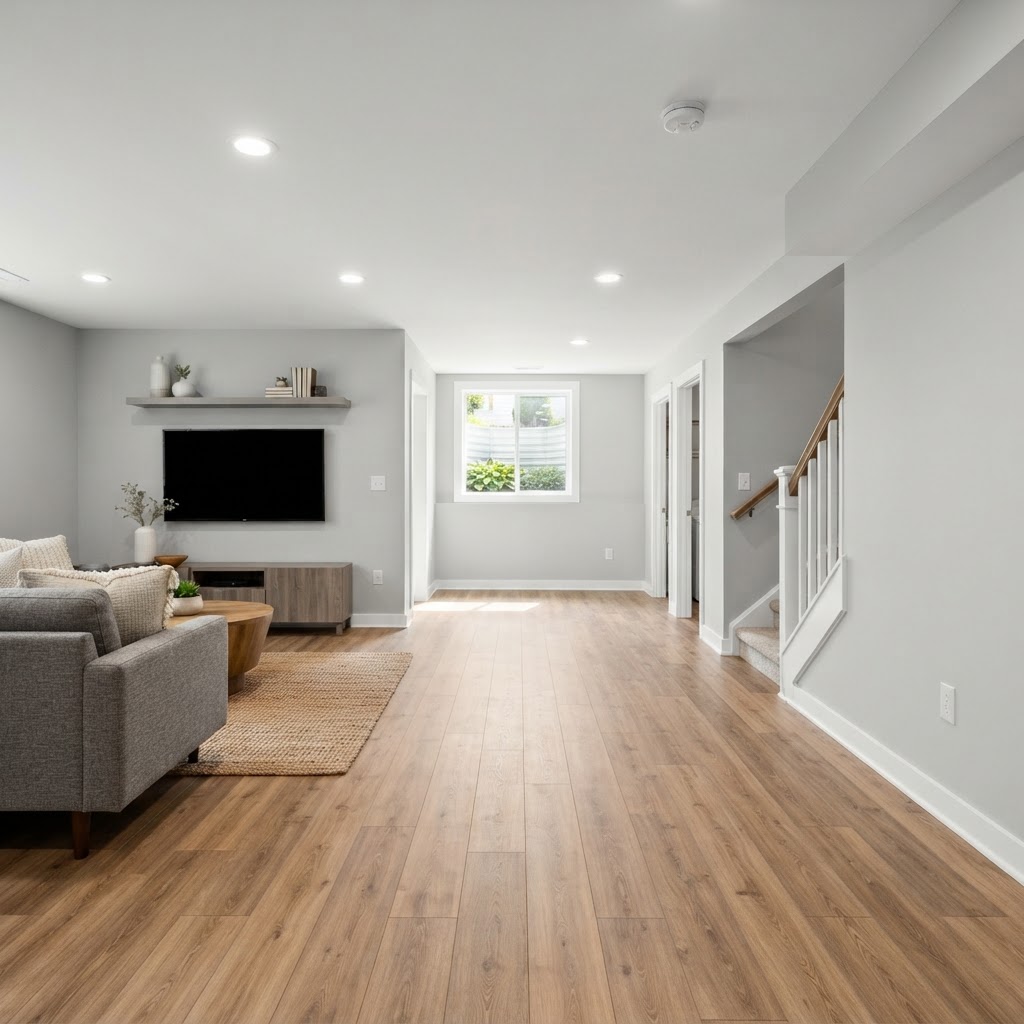
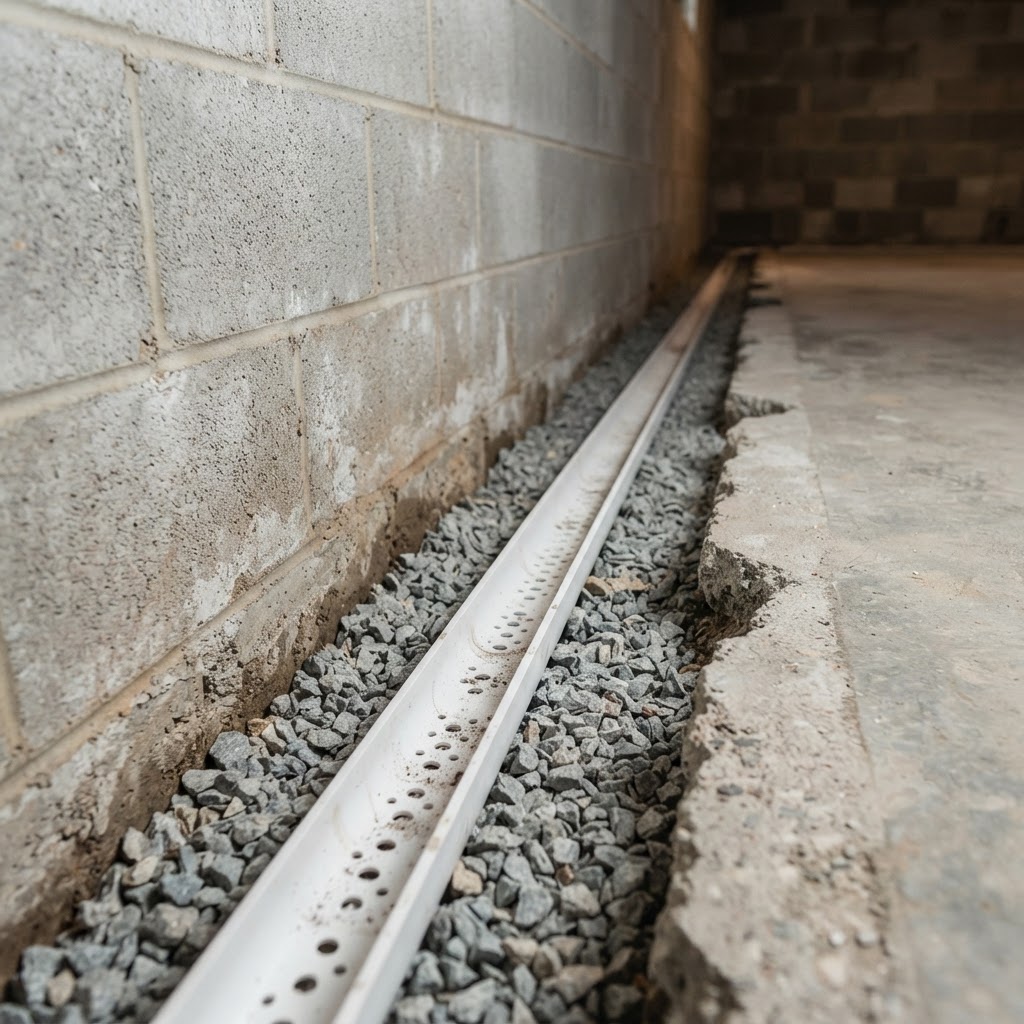
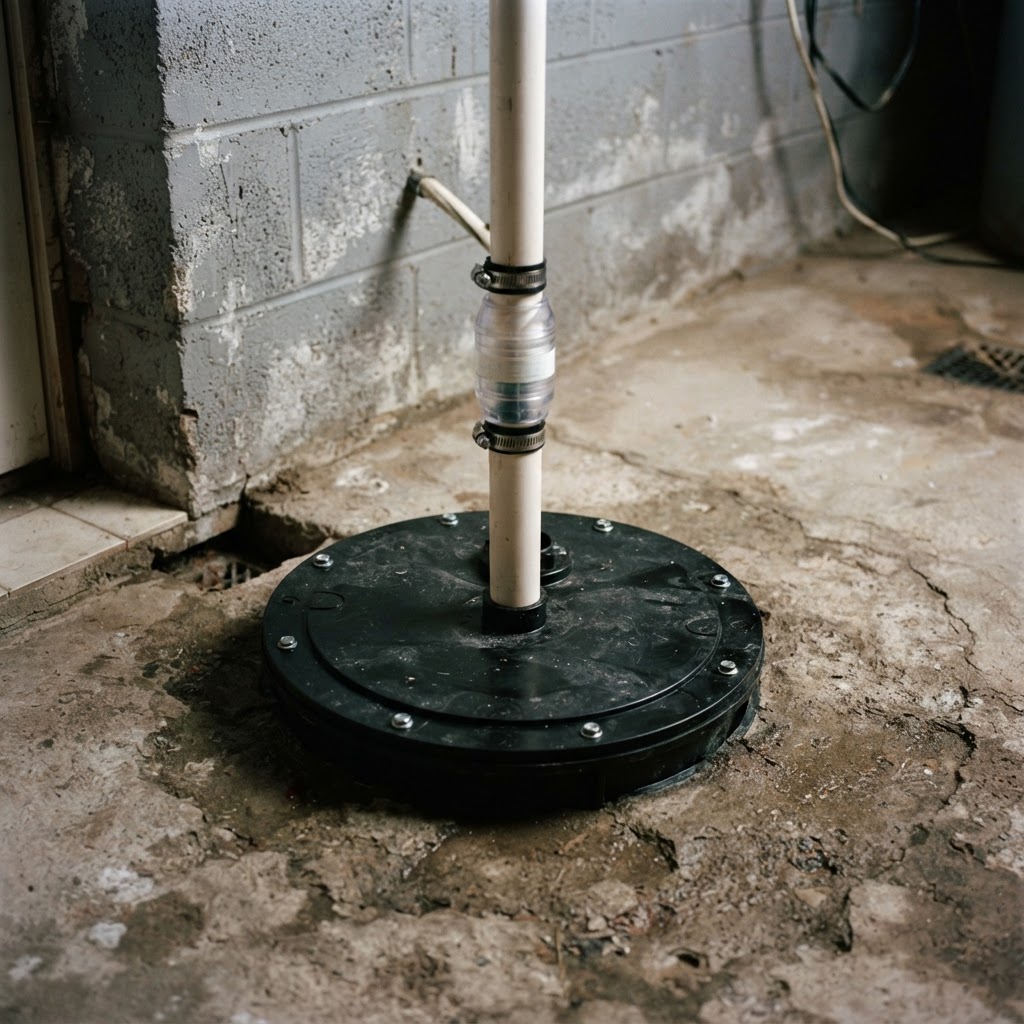
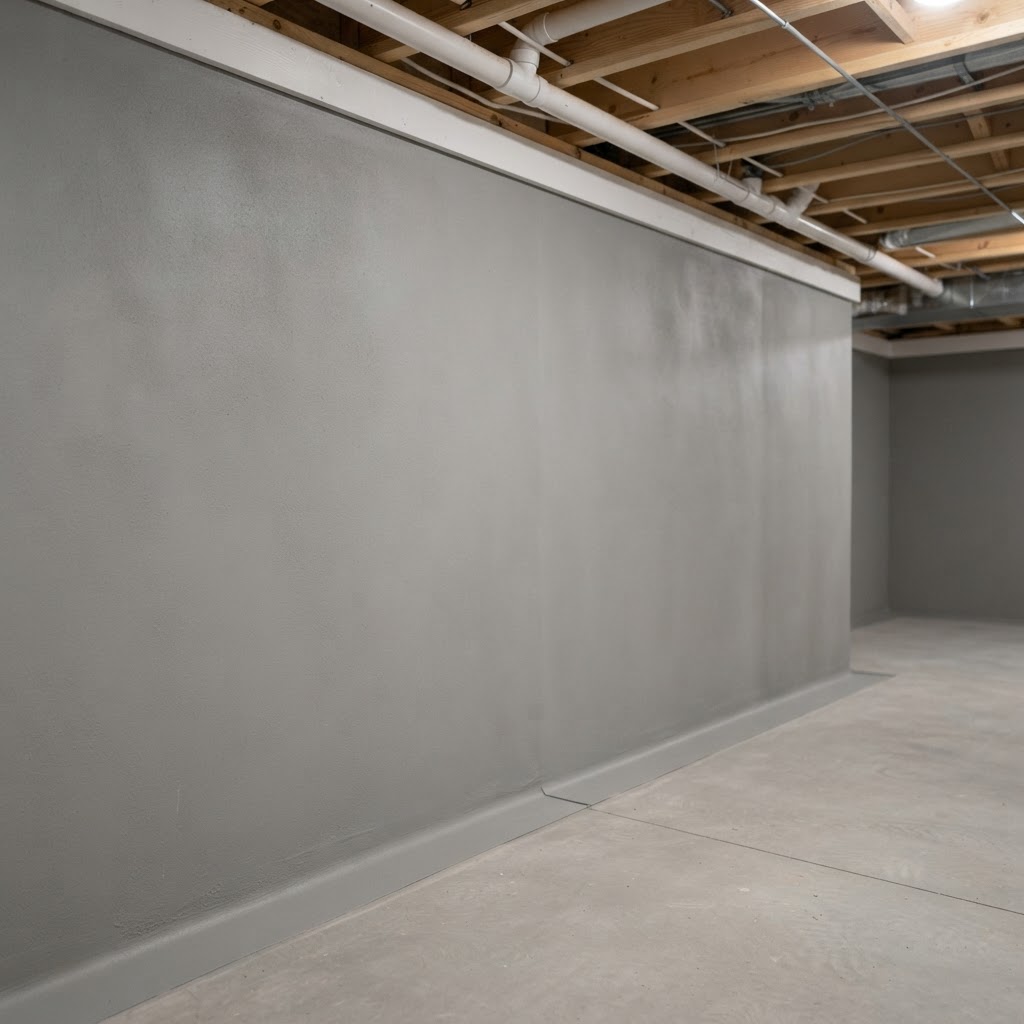
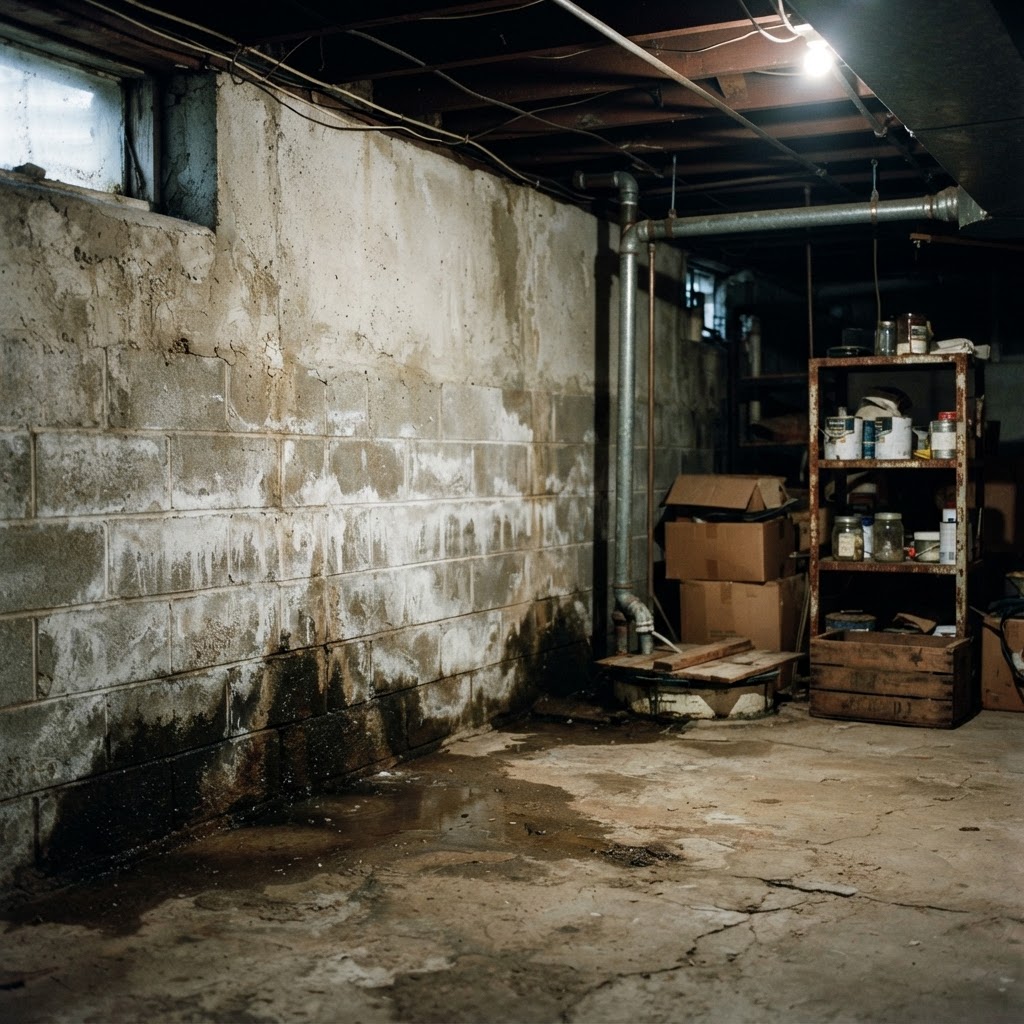
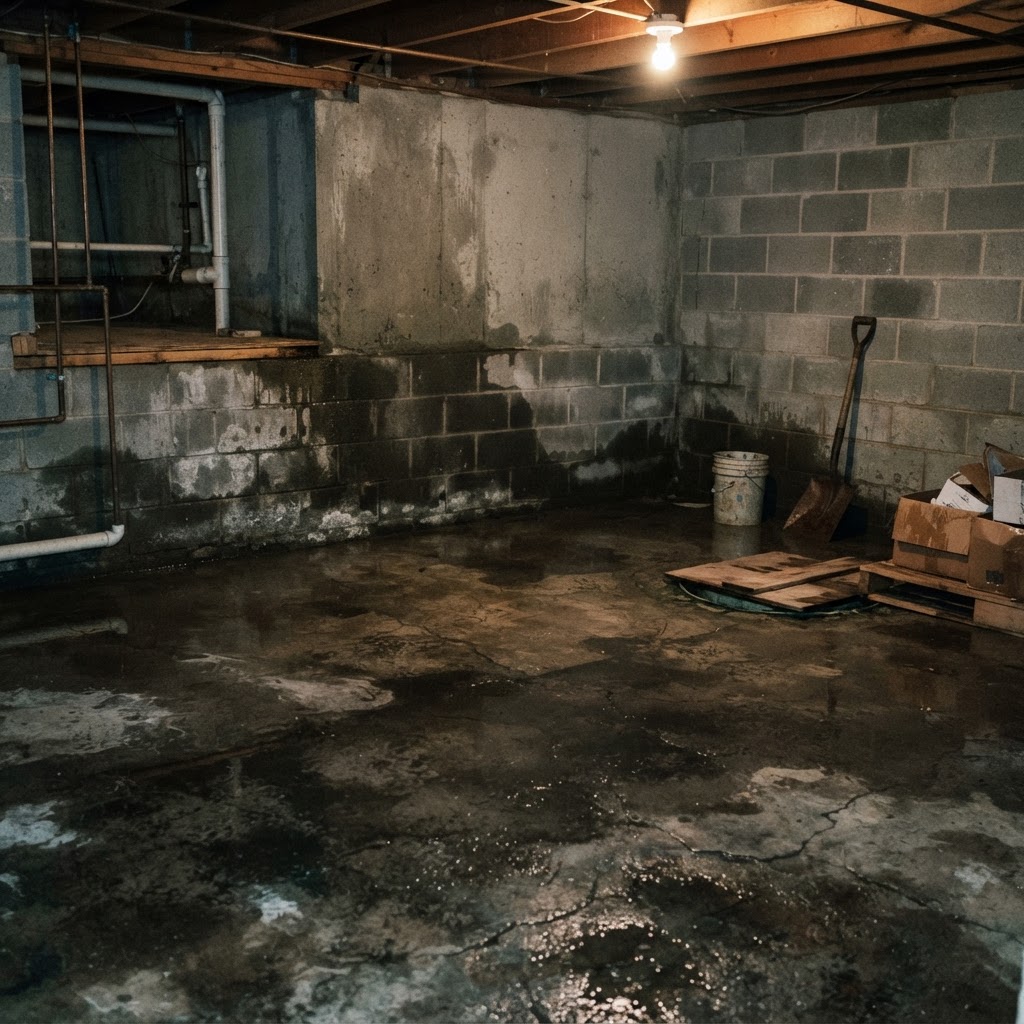
Example photos for illustration only, not our completed work.
What Does Basement Waterproofing Cost in Muncie?
HomeGuide's basement waterproofing cost guide puts interior waterproofing at roughly $6,000 to $12,000 and exterior waterproofing at roughly $10,000 to $18,000 nationally. Its sump pump installation guide lists $600 to $2,500 installed, and non-structural crack injection runs about $250 to $800+ per crack per its foundation crack repair guide. These are national figures, not a Muncie quote. Wall length, foundation type, how much clay has to be dug, and whether the basement is finished all change the price. See our full Muncie basement waterproofing cost guide.
Before You Call: Quick Checks
- Walk around the house during a hard rain. Look for overflowing gutters and downspouts emptying beside the wall.
- Note whether water appears along the floor edge (groundwater pressure), mid-wall (cracks) or near windows (wells and grading).
- Check for white chalky residue (efflorescence) on walls; it shows where water has been coming through.
- If you have a sump, pour a bucket of water into the pit and confirm the pump kicks on.
Permits
Exterior excavation, new drainage connections or structural wall repair may need a permit. Requirements differ between the City of Muncie and unincorporated Delaware County, and towns such as Yorktown set their own rules. Your contractor should confirm what applies to your address.